


Zygomatic implants are a specialised option for selected patients with severe bone loss in the upper jaw. They are anchored in the cheekbone rather than relying only on the remaining upper jawbone, and may support an implant-retained dental restoration when conventional implants cannot obtain sufficient support.
Zygomatic implants: key treatment steps
Assessing suitability
3D imaging and individual planning
General anaesthesia and operating theatre
Temporary teeth and restoration
Risks and oral hygiene
Visits and long-term care
How do zygomatic implants differ from conventional implants?
Conventional implants obtain support from the jawbone, whereas zygomatic implants extend to the cheekbone. This can be relevant when there is advanced bone loss in the back of the upper jaw. The aim is to plan a restoration suited to chewing, speech, appearance and daily cleaning, rather than simply to place implants. This is not the same approach used for a bone deficiency in the lower jaw.
How is the treatment decision made?
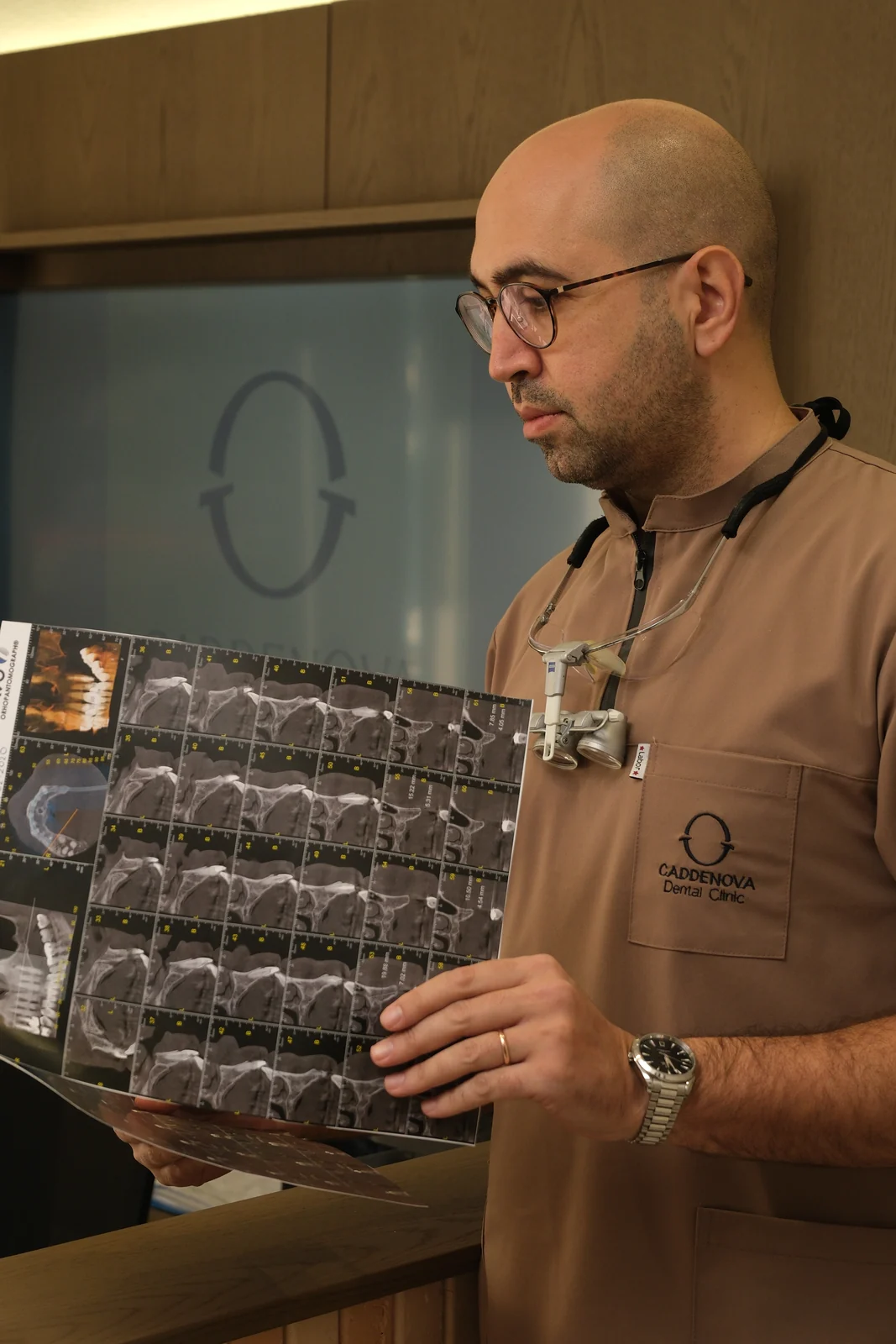
At the first consultation we discuss previous implants or bone grafts, sinus symptoms, medication and your expectations. Teeth that can be retained and alternative treatments are considered. Photographs and existing X-rays can help with an initial assessment, but a final decision requires clinical examination together with three-dimensional imaging. Not every patient with reduced bone needs zygomatic implants.
The operation and hospital arrangements
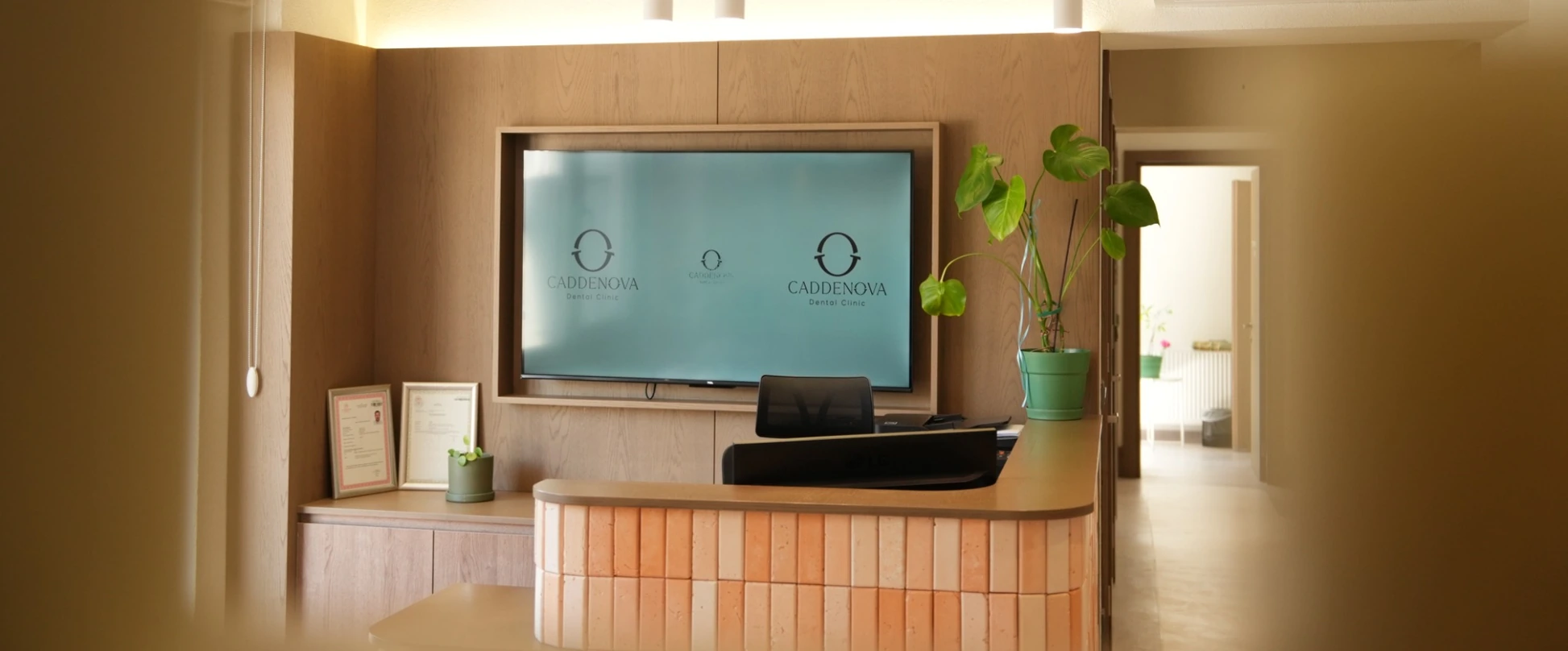
The planned surgery takes place under general anaesthesia in a sterile operating theatre at a partner hospital. Assessment by the anaesthesia team is completed beforehand. The hospital team provides preparation instructions, including fasting, medication and accompanying-person arrangements. The length of observation and discharge depend on the procedure and postoperative assessment. Our clinic photographs show our dental consultation and treatment setting; they do not depict the hospital where the surgery is performed.
3–6 months of integration and the final restoration
Early healing of the soft tissues and biological integration of an implant with bone are different processes. We generally allow 3–6 months for bone integration, although individual healing and the treatment performed can change this schedule. Before the final restoration, implant condition, gums, bite, speech and access for cleaning are reviewed. Follow the eating and loading instructions agreed with your dentist throughout this period.
Aftercare and review appointments
Swelling, bruising and tenderness may occur initially. Instructions about food, cleaning and prescribed medication are tailored to your procedure. Contact the clinic about increasing pain, fever, discharge, persistent sinus symptoms or movement of the restoration. Difficulty breathing or bleeding that cannot be controlled requires urgent medical assessment. Review appointments cover both recovery after surgery and the long-term care of the implants and restoration.
Costs and travel from abroad
Costs depend on the number and distribution of implants, existing dental work, hospital and anaesthesia services, temporary and final restorations, and any additional procedures. We clarify included services and review appointments when discussing your quotation. For international patients, the surgical visit, follow-up during healing and appointments for the final restoration are planned separately. Travel dates are coordinated with your individual clinical schedule.
How do they differ from All-on-4 or All-on-6?
All-on-4 and All-on-6 describe approaches to supporting a full-arch restoration. Zygomatic implants differ in their anchorage in the cheekbone. Depending on the anatomy, they may be combined with other implants; the number and positions are planned individually.
Contact us about treatment planning
Related treatment: Dental implants
16.10.2026 · Sources: ITI Consensus: Zygomatic Implants · Cambridge University Hospitals: Dental Implants