

Smile Design

Smile Design
What Is Smile Design?
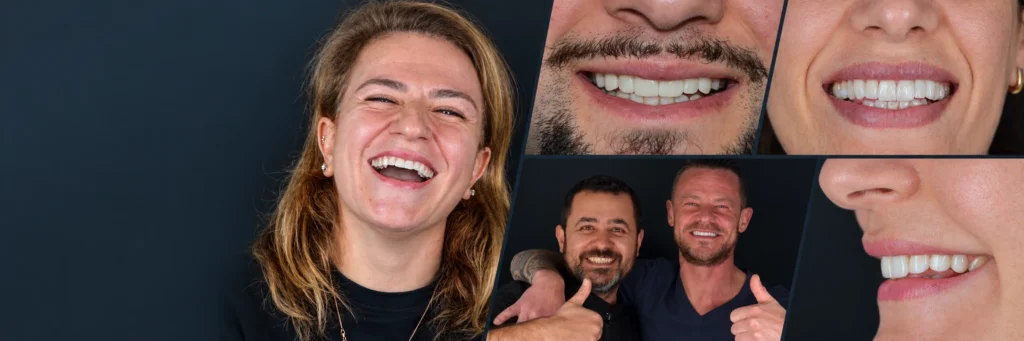
Smile design assesses tooth shape, colour, size and alignment together with lips, facial features and visible gum levels. The aim is a natural, balanced smile that suits your face, rather than simply whiter teeth.
At CADDENOVA Dental Clinic, planning is personalised. The same tooth shape or treatment is not used for everyone. Whitening, bonding, porcelain veneers, crowns or gum treatment may be used individually or together as needed.
Sometimes One Small Change Can Transform a Smile
Smile design does not mean treating every tooth. A small change to one tooth may noticeably improve the overall smile.
A minor shape difference, colour mismatch or uneven edge may be corrected with a limited, conservative procedure. Every aesthetic concern does not require work on all teeth.
We preserve healthy tissue and treat only where needed, aiming for natural, balanced improvements through careful planning.

How Is Smile Design Planned?
We begin by assessing teeth and facial features in detail. Tooth colour, shape, size, alignment, the bite, lip line and gum levels are considered together.
Photographs, intraoral scans and appropriate radiographs support a personalised plan. We aim for a natural, functional result with long-term use in mind.
Preserving natural tissue is central to planning. Crowns and tooth reduction are not always required; conservative alternatives may be suitable.
Which Treatments May Be Used?
Smile design combines appropriate aesthetic and restorative options according to individual needs.
Whitening, composite bonding, porcelain veneers, porcelain crowns, aesthetic fillings and gum treatment are common options. Implants or other prosthetic options may be considered for missing teeth.
Choices consider existing tooth health, the bite and long-term oral health alongside appearance. The aim is a balanced result using the most conservative suitable approach.

How Is a Natural Appearance Achieved?
Tooth form, length, texture and colour should suit your facial features, lips and age. A natural smile is about more than whiteness or alignment.
Using the same tooth shape for everyone can look artificial. Proportions, tooth display and harmony with surrounding tissues matter.
We favour natural transitions, individual tooth shapes and suitable shades rather than excessive whiteness, aiming for a smile that belongs to your face.
What Is Digital Smile Design?
Digital smile design analyses teeth and the smile before treatment. Scans, photographs and appropriate radiographs help create a personalised design.
This allows detailed planning of tooth shape, length, proportions and the smile line, helping you understand the intended result.
Digital planning considers aesthetic expectations and functional requirements together to support a controlled treatment process.
Who May Benefit?
Smile design may suit concerns about tooth colour, shape, size, alignment or display. Gaps, mild crowding, wear and ageing restorations can also be assessed.
Different concerns need different approaches. Whitening or bonding may suffice, while other cases may require veneers, crowns, orthodontics or gum treatment.
Tooth condition, the bite, gum health and expectations determine the plan. The aim is to preserve tissue while balancing aesthetics and function.
Do You Hide Your Smile?
If you cover your mouth when smiling, taking photographs or speaking, there may be a feature of your smile that concerns you.
Smile design assesses that concern and plans a natural result suited to your face.
Let us identify the feature that bothers you and discuss your options together.
How Long Does Treatment Take?
Timing depends on the procedures. Whitening or bonding may be completed relatively quickly; veneers, crowns, orthodontics or gum treatment can take longer.
Tooth condition, preparation and laboratory stages affect timing. After examination and digital planning, we explain the procedures and estimated schedule.
The priority is appropriate planning for appearance, function and long-term oral health, rather than speed alone.
Are Results Permanent?
Longevity depends on treatment and care. Porcelain restorations may retain their appearance for years, while whitening may need maintenance.
Grinding, nail biting and biting hard objects can reduce restoration lifespan. Regular reviews, hygiene and a night guard when indicated help protect results.
Our aim is to maintain a healthy, functional result over time as well as improve appearance.
What Aftercare Is Needed?
Aftercare depends on the procedures used. Follow your dentist’s advice for porcelain restorations, composite work or whitening.
Regular brushing, interdental cleaning and reviews help maintain results. A night guard may be recommended for grinding or clenching.
Consistent care supports both appearance and long-term tooth and gum health.
Frequently Asked Questions About Smile Design
It can be planned for many people with suitable oral health and aesthetic goals, but procedures vary. Teeth, gums, the bite and existing restorations must be assessed before a plan is made.
Not always. Whitening, bonding or minor changes may be enough; porcelain restorations may require controlled preparation. The choice depends on tissue and goals.
Comfort varies because smile design includes different procedures. Local anaesthetic is used where appropriate to support comfort.
Timing depends on procedures and tooth condition. Whitening or bonding can be quicker; porcelain, orthodontic or gum care may require further visits or healing periods. We explain the estimated schedule after assessment.
Longevity depends on treatment, oral care and habits. Regular reviews and good hygiene help maintain a healthy result.
Numbers are personalised. Smile design does not mean treating every tooth; one or a few may be sufficient, while other cases need a broader plan.
Photographs, intraoral scans and appropriate imaging are used to analyse and plan the smile digitally, allowing detailed assessment of tooth form, proportions and facial harmony.