

Dental Implants
Contents

What Is a Dental Implant?
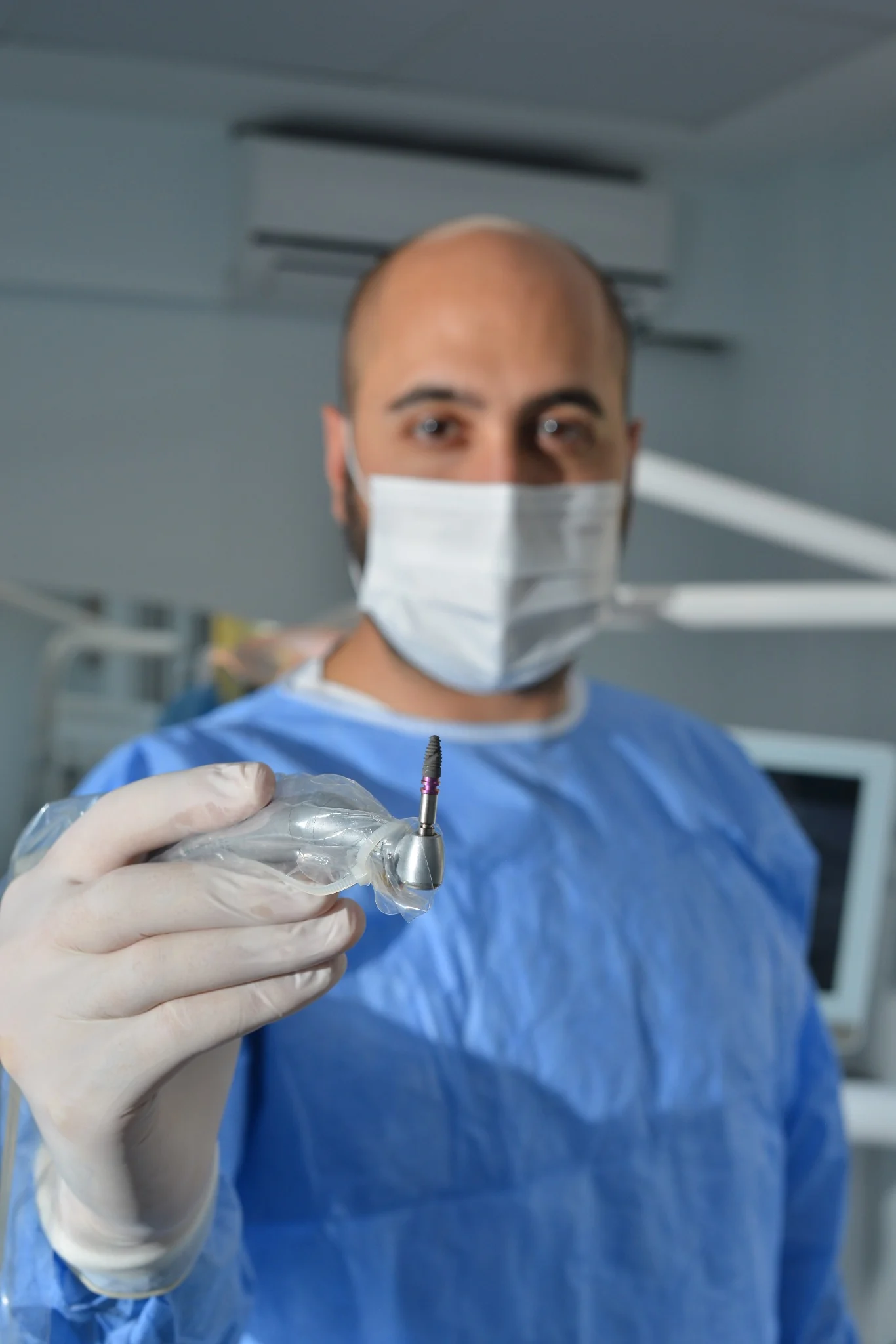
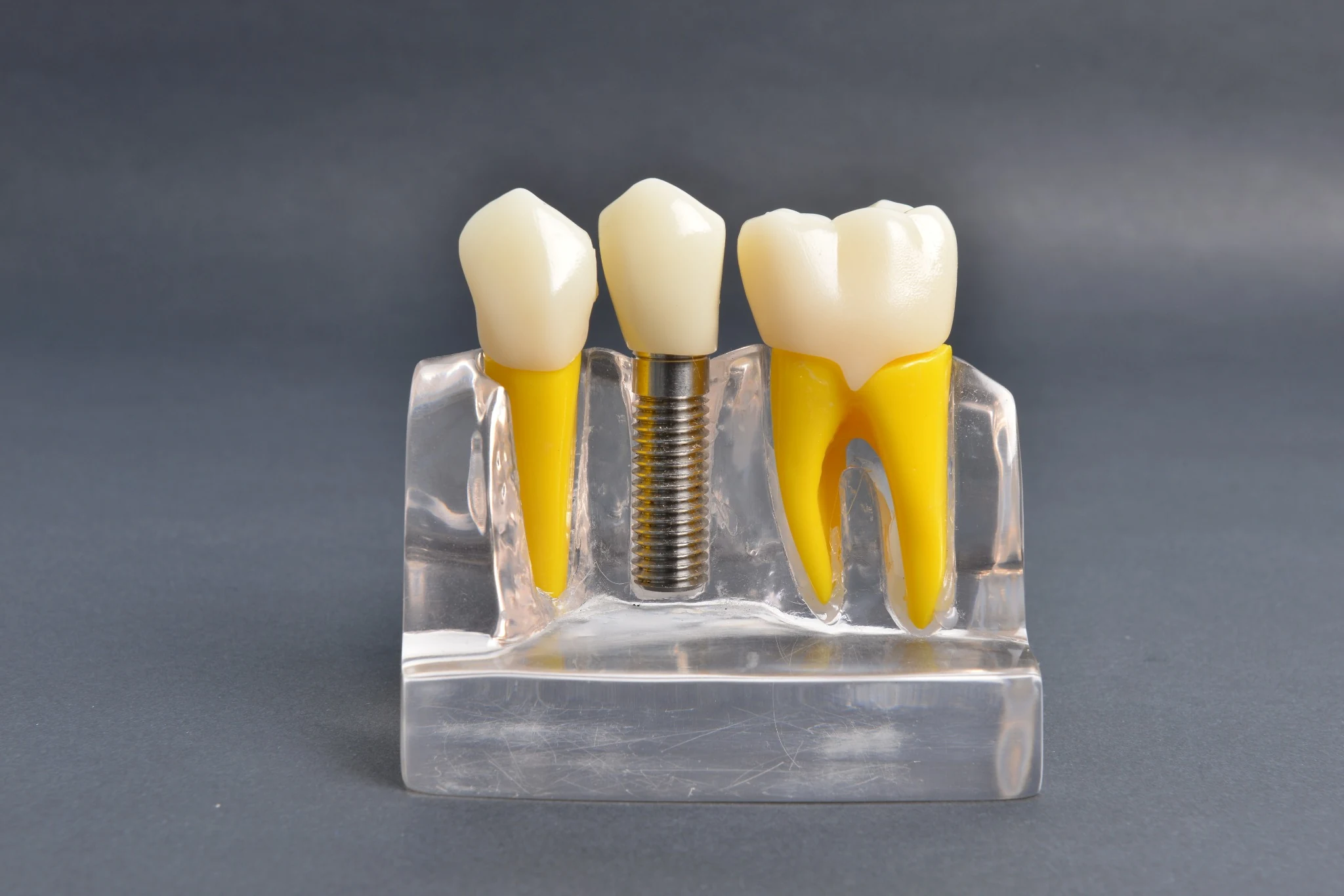
An implant is an artificial tooth root placed in the jawbone to support a replacement tooth. Most dental implants are made from titanium, which is biologically compatible with bone.
Implants may replace one tooth, several teeth or, in suitable cases, a full arch. Missing tooth numbers, jawbone anatomy, gum health, the bite and overall oral condition guide planning.
Implants may replace one tooth, several teeth or, in suitable cases, a full arch. Missing tooth numbers, jawbone anatomy, gum health, the bite and overall oral condition guide planning.
01
How Are Implant Teeth Made?
Treatment starts with examination and imaging. Bone volume, adjacent teeth, gums and the planned prosthesis position are assessed together.
The implant is placed under local anaesthetic. Final teeth are made after integration with bone. Suitable bone and adequate stability may allow temporary teeth on the same day or shortly afterwards.
The implant is placed under local anaesthetic. Final teeth are made after integration with bone. Suitable bone and adequate stability may allow temporary teeth on the same day or shortly afterwards.
02
Who May Be Suitable?
Implants may suit single, multiple or complete tooth loss when conditions permit. Bone anatomy, gums, hygiene, the bite and general health are considered together.
Suitability is individual. Retaining existing teeth and alternatives to implants are considered during planning.
Suitability is individual. Retaining existing teeth and alternatives to implants are considered during planning.
03
Replacing One Missing Tooth
A single implant may replace a tooth without preparing healthy neighbouring teeth. After healing, a custom fixed tooth is fitted.
For front teeth, gum levels and the aesthetic position of the restoration are considered alongside implant position in bone.
For front teeth, gum levels and the aesthetic position of the restoration are considered alongside implant position in bone.
04
Replacing Several Missing Teeth
An implant is not always needed for every missing tooth. A fixed bridge may be supported by an appropriate number according to missing-tooth positions, bone and design.
The aim is an appropriate, cleanable, biologically sound plan, rather than the maximum implant count. Examination and imaging determine numbers.
The aim is an appropriate, cleanable, biologically sound plan, rather than the maximum implant count. Examination and imaging determine numbers.
05
Full-Arch Implant Treatment
When all teeth are missing or cannot be retained, multiple implants may support fixed teeth. Bone anatomy, implant positions, force distribution and prosthesis design guide numbers.
In suitable cases, All-on-4 or All-on-6 may support a fixed full arch with fewer implants. Individual assessment determines the appropriate approach.
In suitable cases, All-on-4 or All-on-6 may support a fixed full arch with fewer implants. Individual assessment determines the appropriate approach.
06
Can Implants Be Used with Bone Loss?
Insufficient bone does not always rule out treatment. Grafting, sinus elevation or other surgical options may be assessed according to the area and degree of loss.
Additional bone work may be performed with implant placement or may require healing first. Examination and imaging guide the sequence.
Additional bone work may be performed with implant placement or may require healing first. Examination and imaging guide the sequence.
How Is Implant Treatment Performed?
Examination and Assessment
Your dentist reviews general health, examines the mouth and assesses whether implants are appropriate.
Planning and Imaging
Radiographs and appropriate 3D imaging assess jawbone and surrounding tissues to plan implant position.
Implant Placement
Implants are surgically placed in planned positions under local anaesthetic and are designed to integrate with bone during healing.
Healing and Bone Integration
Integration requires healing, which may take around 2–6 months. Temporary prostheses may be used where appropriate.
Temporary and Final Teeth
Temporary teeth may be provided soon after placement in suitable cases. Otherwise, final teeth follow healing. Shape and position consider function, cleaning and appearance.
Review and Long-Term Care
Treatment continues beyond fitting final teeth. Tissue health, hygiene and prosthesis condition need regular review. Good care supports long-term outcomes.
How Long Does Treatment Take?
Placement is often a relatively short procedure, but total timing depends on healing and the prosthesis. Bone, implant numbers and additional grafting may change the schedule.
When Are Teeth Fitted?
Timing depends on implant stability, bone and prosthesis type. Final teeth may follow integration, while suitable cases may receive temporary teeth earlier.
Can I Have Same-Day Implants and Temporary Teeth?
Suitable cases may receive temporary teeth on placement day if initial stability, bone and bite conditions permit. This is not appropriate for everyone.
Is Treatment Painful?
Surgery is usually under local anaesthetic, so pain during the procedure is not expected. Tenderness, swelling or discomfort may follow for a few days, depending on surgery and individual response.
How Long Do Implants Last?
There is no universal lifespan. Hygiene, gum and bone health, smoking, forces and reviews affect long-term outcomes.
How Are Front-Tooth Implants Planned?
Gum levels, bone anatomy, 3D implant position and the replacement tooth’s appearance are assessed together. Surgical and prosthetic planning should be coordinated, especially in the aesthetic region.
Eating After Implant Treatment
Eating timing depends on the procedure and anaesthetic. Wait until lip and cheek numbness has passed to avoid bites or burns.
Initially choose soft, easy-to-chew foods and avoid very hot or hard foods and direct pressure on the surgical area.
Same-day temporary teeth may need particular dietary care. Avoid excessive chewing forces during integration. Advice is tailored to implant numbers, locations and surgery.
Initially choose soft, easy-to-chew foods and avoid very hot or hard foods and direct pressure on the surgical area.
Same-day temporary teeth may need particular dietary care. Avoid excessive chewing forces during integration. Advice is tailored to implant numbers, locations and surgery.
What Symptoms Need an Implant Review?
Mild early discomfort and swelling can occur, but increasing pain, swelling, bleeding, discharge or implant movement needs assessment. These signs do not always mean failure; examination and appropriate imaging are needed.
What Are the Risks?
Implants can have favourable outcomes with suitable planning and surgery, but infection, healing problems, failure to integrate and surrounding-tissue complications can occur. Health, bone, hygiene, smoking and implant position affect risks.
What Is Recovery Like?
Mild to moderate pain, swelling and tenderness may occur initially and usually start improving over the first few days. Bone integration takes longer and varies. Increasing or unexpectedly prolonged symptoms need review.
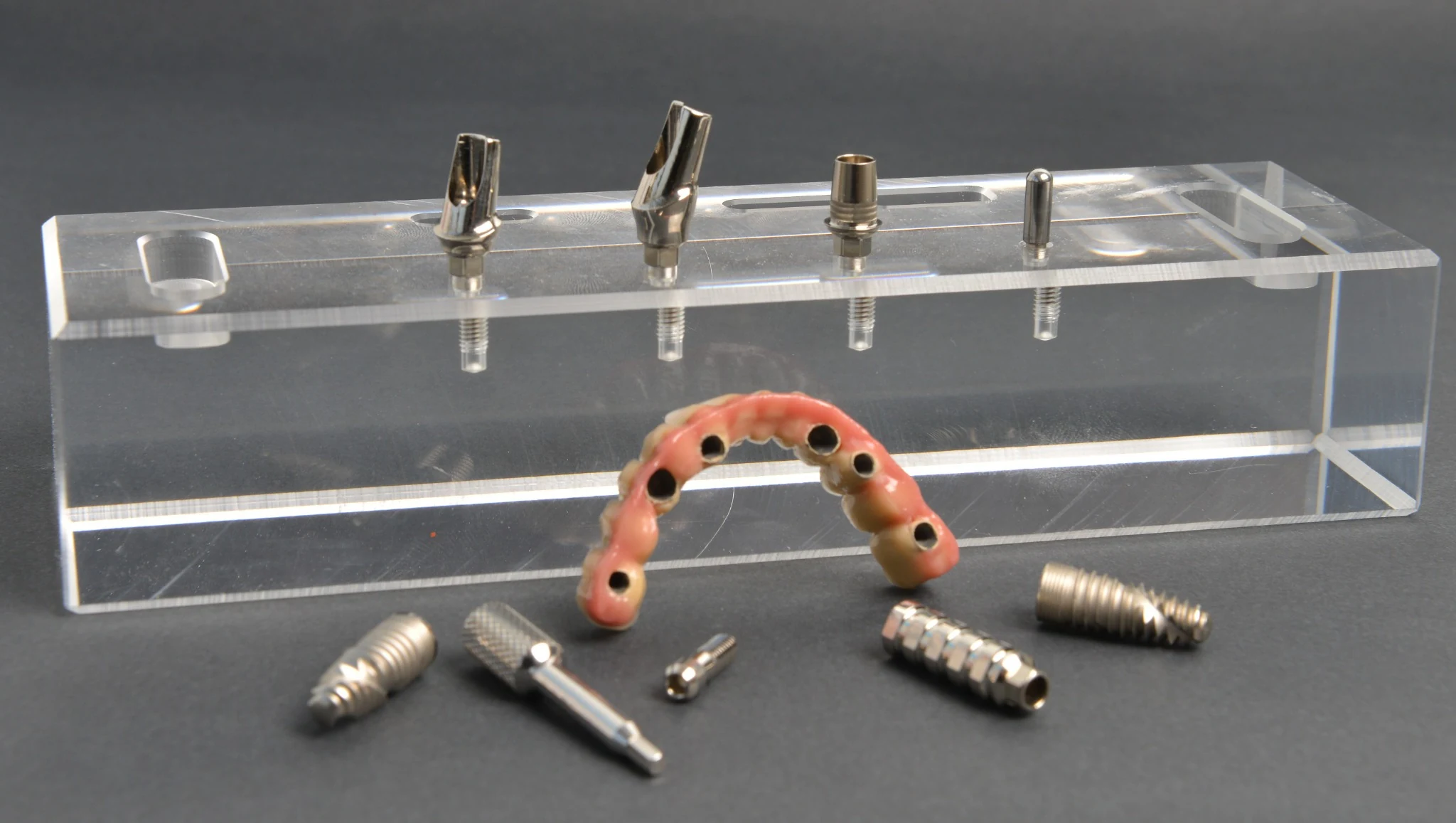
Personalised Planning
Implant numbers and positions consider tooth loss, bone, the bite and prosthesis design together.
Detailed Assessment
Teeth, gums, bone and the bite are assessed, with appropriate imaging as part of planning.
Preserving Natural Teeth
Our priority is retaining natural teeth where possible. We avoid unnecessary extraction of healthy or treatable teeth for implants.
The Right Implant Number
The aim is appropriate numbers and positions to support the prosthesis long term, rather than the maximum number.
Surgical and Prosthetic Planning
Replacement-tooth function, cleaning and appearance are considered from the start alongside the implant’s position in bone.
Long-Term Follow-Up
Reviews, hygiene and monitoring surrounding tissues remain important after fitting the prosthesis.