


Dental implants replace the support normally provided by missing tooth roots. The implant sits within the jawbone and can support a crown, bridge or a denture attachment. The visible white tooth and the implant inside the bone are separate components. Understanding that distinction makes the treatment journey easier to follow.
How are dental implants placed, when can temporary teeth be fitted and what happens before the final restoration? This guide explains seven stages, from assessment to ongoing care. Implants are one option for missing teeth; preserving a natural tooth, a conventional bridge or a removable denture may also be discussed.
Contents
What Are Dental Implants and Which Parts Make Up the New Tooth?
The implant body is the support placed in bone. An abutment connects it to the visible restoration, while the crown or bridge forms the teeth used for appearance and chewing. In everyday language, “an implant” may refer to the complete treatment, although the components are different.
A surgical appointment and a crown-fitting appointment therefore have different purposes. Having an implant placed does not automatically mean a permanent tooth is finished that day. Ask which component will be provided at each visit, and whether the plan includes both temporary and final teeth.
How Do Dental Implants Work? A Treatment Plan in 7 Stages
Implant care involves more than one surgical visit. Assessment, preparation, placement, healing checks and restorative work contribute to the result. The seven stages below are a general framework. Some can be combined, while additional procedures can extend the schedule.
Start by discussing what you want to achieve. Replacing one missing tooth and restoring a complete arch involve different decisions. Appearance, chewing, cleaning access and the ability to maintain the restoration should be considered together, rather than choosing a product before assessment.
Stage 1: Examination, Medical History and Imaging
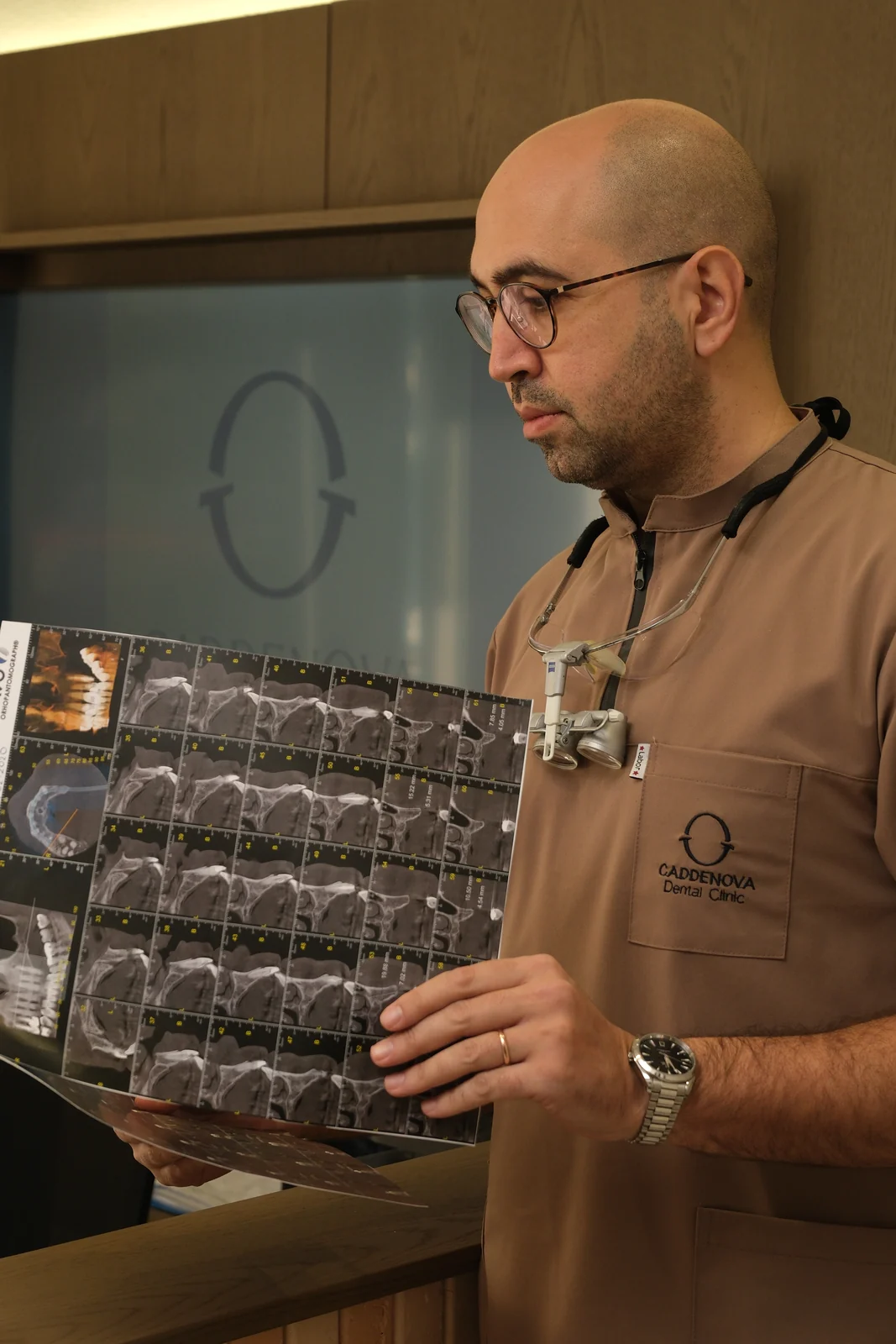
Your dentist assesses the missing tooth area, remaining teeth, gums and bite. Explain your medical conditions, medication, smoking and previous dental treatment. Do not stop prescribed medication independently; any necessary changes should be coordinated with the clinicians responsible for your care.
X-rays and three-dimensional imaging when indicated help assess bone and relevant anatomy. A photograph alone cannot establish a definitive implant position or size. Bring existing dental images, a medication list and questions about the treatment you have previously been offered.
Stage 2: Preparing the Gums, Extraction Site and Bone
Active oral problems and cleaning needs are addressed during preparation. If a tooth requires extraction, placement during the same appointment and placement after healing are different options. Immediate placement is not suitable for every extraction socket.
Additional bone support may be proposed in some cases. It can sometimes be provided alongside placement, while other situations require a separate stage. Bone grafting or sinus-related surgery should not be assumed necessary for everyone. Ask why an additional procedure is recommended and how it changes your alternatives and timetable.
Stage 3: How Are Dental Implants Placed During Surgery?
Standard implant placement is usually performed with local anaesthesia. After the area is numb, the clinician prepares the planned site in bone and inserts the implant. The gum may be closed over it or a healing component may be used, depending on the surgical approach.
Pressure or vibration may be noticeable. Tell the team if you feel sharp pain so that anaesthesia can be reassessed. Sedation or general anaesthesia is a separate decision based on the procedure and your health. General anaesthesia is not a requirement for every implant treatment.
Stage 4: Healing and Integration with Bone
Early gum healing and integration of dental implants with bone are different processes. A period of around three to six months is often anticipated for bone integration, although the site, bone conditions and additional procedures can change or lengthen the schedule. Reviews guide the individual timing.
An absence of pain does not mean an implant is ready for unrestricted chewing. Follow the instructions for food, cleaning and any temporary restoration. Before travel, ask when healing will be reviewed and which appointment will determine whether restorative treatment can proceed.
Stage 5: Can Temporary Teeth Be Fitted on the Same Day?
Same-day implant placement, immediate temporary teeth and a completed permanent restoration are different outcomes. Early provisional teeth may be considered when initial stability and clinical conditions allow. Otherwise, a different temporary option may be needed during healing.
Understand what your temporary restoration is designed to do. Supporting appearance or speech does not imply unrestricted chewing. If you travel for treatment, clarify what will be provided at the end of the first visit, the restrictions to follow and when you should return.
Stage 6: Records, Try-Ins and the Final Restoration
Once healing and implant condition have been assessed, impressions or digital records are used to prepare the final crown, bridge or denture. The laboratory works to the individual design. Try-ins help evaluate the bite, appearance, speech and access for cleaning.
The material of a crown is separate from the implant material. A zirconia crown, for example, does not mean that the implant within bone is zirconia. Laboratory craftsmanship, material quality and restoration design influence production work and cost. Discuss repair and maintenance as well as appearance.
Stage 7: Looking After Dental Implants and Attending Reviews
Receiving the final teeth starts an ongoing maintenance routine. Ask how to clean under and around your restoration and how often to attend reviews. Dental implants cannot develop tooth decay, but the tissues and bone surrounding them can develop disease. Smoking and inadequate plaque control are relevant risk factors.
Follow the surgical team’s recovery advice. Contact the clinic about increasing pain or swelling, fever, persistent bleeding, discharge, new or continuing numbness, or movement. Breathing or swallowing difficulty requires urgent medical attention. Do not simply wait for the next routine appointment when symptoms are worsening.
Types of Dental Implants: One Tooth, Bridges and Full-Arch Care
Searches for implant types often mix implant design, placement timing and the restoration attached above. A single crown, an implant-supported bridge and a complete-arch restoration are different designs. One separate implant is not automatically required for every missing tooth.
All-on-4 and All-on-6 are approaches considered for selected full-arch cases, rather than implant brands. Zygomatic implants may be discussed for particular cases of severe upper-jaw bone loss and require specialist assessment. A greater implant count or a more expensive brand is not automatically the best individual plan.
Do Dental Implants Hurt During the Procedure?
Distinguish the operation itself from recovery afterwards. Local anaesthesia aims to control surgical pain, although pressure or vibration may remain noticeable. Tell the team about sharp pain during treatment so they can reassess the anaesthesia. No individual pain experience can be guaranteed.
Pain After Dental Implants: What Should You Watch For?
Soreness and tenderness can occur after placement. The extent of surgery, grafting and individual healing affect the experience. Another patient’s account does not predict yours. Symptoms that gradually ease and symptoms that worsen after initial improvement need different consideration.
How Long Does Pain Last After an Implant Screw Is Placed?
There is no fixed number of days that suits every operation. Discomfort is generally most noticeable during early recovery and is expected to ease with healing. Increasing, returning or uncontrolled pain needs assessment. Do not wait for an arbitrary deadline before seeking help when symptoms are worsening.
Can a New Crown or Healing Cap Cause Implant Pain?
Pain beginning when the final tooth is fitted differs from soreness after implant surgery. New pain on biting, a feeling that the tooth meets first, or movement warrants a check of the bite and components. After a healing-cap procedure, the extent of the work and how symptoms develop also matter.
When Should You Take Pain Relief After Dental Implants?
Follow your individual prescription for the medicine, timing and dose. Allergies, health conditions and other medication affect the choice. Do not use someone else’s prescription, increase doses or combine medicines independently. Ask the clinic or your pharmacist if instructions are unclear.
Swelling After Dental Implants: When Should You Contact the Clinic?
Swelling varies with the procedure. Follow your personal recovery instructions rather than applying heat, pressure or unapproved products. Contact the clinic if swelling is increasing, especially with fever or discharge. Breathing or swallowing difficulty requires urgent medical attention.
How Long Does Dental Implant Treatment Take?
The length of a surgical appointment and the time needed to finish treatment are different. Implant count, extractions, grafting and case complexity affect surgery. Bone integration, try-ins and laboratory production contribute separately to the overall schedule.
Ask for a visit plan covering examination, surgery, reviews, try-ins and final teeth. A temporary restoration at the first visit does not mean the full course is complete. If travelling, plan the first stay and return for final teeth separately.
Do Dental Implants Last a Lifetime?
There is no lifetime guarantee that applies to every patient. Tissue health, daily cleaning, reviews, smoking and restoration maintenance matter for long-term use. An initially comfortable result is not a reason to stop attending checks.
The implant within bone and the crown, screw or bridge above can have different repair or replacement needs. Repairing a restoration does not necessarily mean the implant has failed. Reviews should assess both the supporting tissues and prosthetic components.
Can You Rinse with Salt Water After Dental Implants?
Timing matters. Vigorous rinsing or spitting on the day of surgery can encourage bleeding. If your surgical team recommends it, gentle salt-water rinsing may start the following day. Follow your own instructions if they differ.
Salt water is a cleaning aid, not a treatment for infection. Do not replace prescribed mouthwash or other medication independently. Persistent bleeding, increasing swelling or severe pain should be assessed rather than managed by repeatedly trying rinses.
From Understanding Dental Implants to Your Own Treatment Plan
A useful consultation connects the general stages to your missing teeth, priorities and daily life. Ask about alternatives, additional surgery, temporary teeth, expected visits and future maintenance. Have unfamiliar terms explained before you decide. A written description of the stages can help you compare plans.
CADDENOVA is based in Caddebostan, Istanbul. You can share questions and existing images for an initial discussion. Remote information does not replace examination. Your individual plan and the scope of costs are established following clinical assessment and appropriate imaging.
Explore what affects dental implant cost and our same day implants guide for related questions.
Clinical information sources: Cambridge University Hospitals — Implant surgery; CUH — Restorative treatment and healing; Leeds Teaching Hospitals — Dental implants; ITI — Placement and loading; EFP — Peri-implant health.
Ask CADDENOVA About Dental Implants
Use the form below to discuss missing teeth and ask about dental implants. An initial conversation is informative; an individual treatment plan requires examination and appropriate imaging.